
Situation
Fast fashion causes young adults to purchase clothing more easily. Items are sometimes only a couple of euros, which are continuously advertized on social media by influencers, hauls, and targeted advertisements. Clothes start to feel disposable: after being worn a few times, they are forgotten or thrown away. The majority of young people are only aware of the "bad" nature of fast fashion. They don't have a clear understanding of its consequences, which include water consumption, textile waste, microplastics, and bad working conditions for garment workers. When purchasing items, this information is lacking. We want to investigate this scenario: what would happen if fast fashion advertisments online told you the truth before you could click buy?
What If ..
Intervention: Every time you want to buy a piece of clothing online, a 'pop-up' appears. For a couple of seconds, it shows what an item really costs: how much water it takes to make it, how many times the average person wears it, and how much the factory workers are paid. After that, you can still choose to buy it, but you would be more aware. What if every brand and online clothing website had to show the real cost of the item, the same way cigarette packs have warnings? Who introduces this intervention? The EU could make a policy for all brands and webshops that they have to add these 'pop-ups'. Social media apps like TikTok and Instagram could add it to posts that include ads about clothing. Creators/influencers could post these 'pop-ups' under their videos.
Emerging frictions
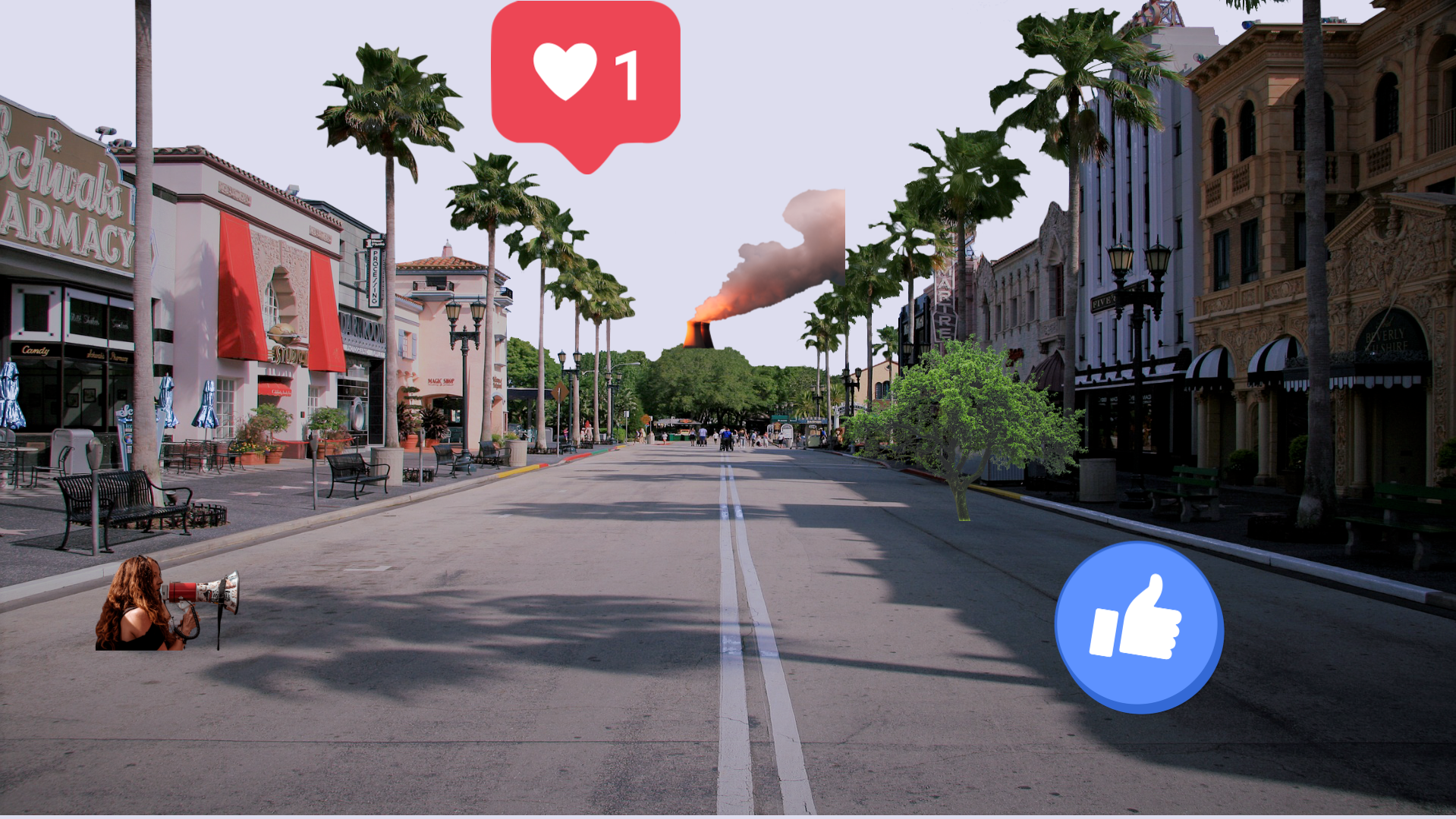
How the intervention changes the situation: Imagine that every time you want to buy clothes online in the EU, a short "pop-up" pause shows up first. This tells you how much water the item took to make, how many times people usually wear it, and how little the person who made it got paid. You can still buy it, but you can't pretend you didn't see it. The effect of this is that haul videos are starting to feel different. Who and where: Imagine a busy street with a lot of fast fashion stores. Almost every laptop has fast fashion tabs open, and packages pile up in the hallway of houses. Imagine a 20-year-old girl named Mia who normally buys a few fast fashion items per week starts to think twice. Her friend, who is an influencer and does unboxings and hauls for a living, is losing views because people scroll away due to the 'pop-ups'. The thrift store on the street gets busier and busier. What could go wrong: - After a week, everyone just taps through the pause without reading it. - Brands find ways to make the numbers look nicer than they are. - Influencers lose income and fight back. - Students with little money feel guilty for buying cheap clothes, even though they have no other option. The friction we want to show: Mia has a job interview and has almost no money. The only outfit she can afford is this 9-euro top. At the checkout, the 'pop-up', she feels guilty for something she can not really avoid. That is the uncomfortable part: the 'pop-up' is meant to make the companies look bad, but it ends up making the person with the fewest choices feel ashamed.
Provocative statement
If the truth about a €9 top makes you feel guilty, who is actually responsible: you or the brand? Showing the real price doesn't make fast fashion fairer. It just moves the guilt from the brand to the buyer.